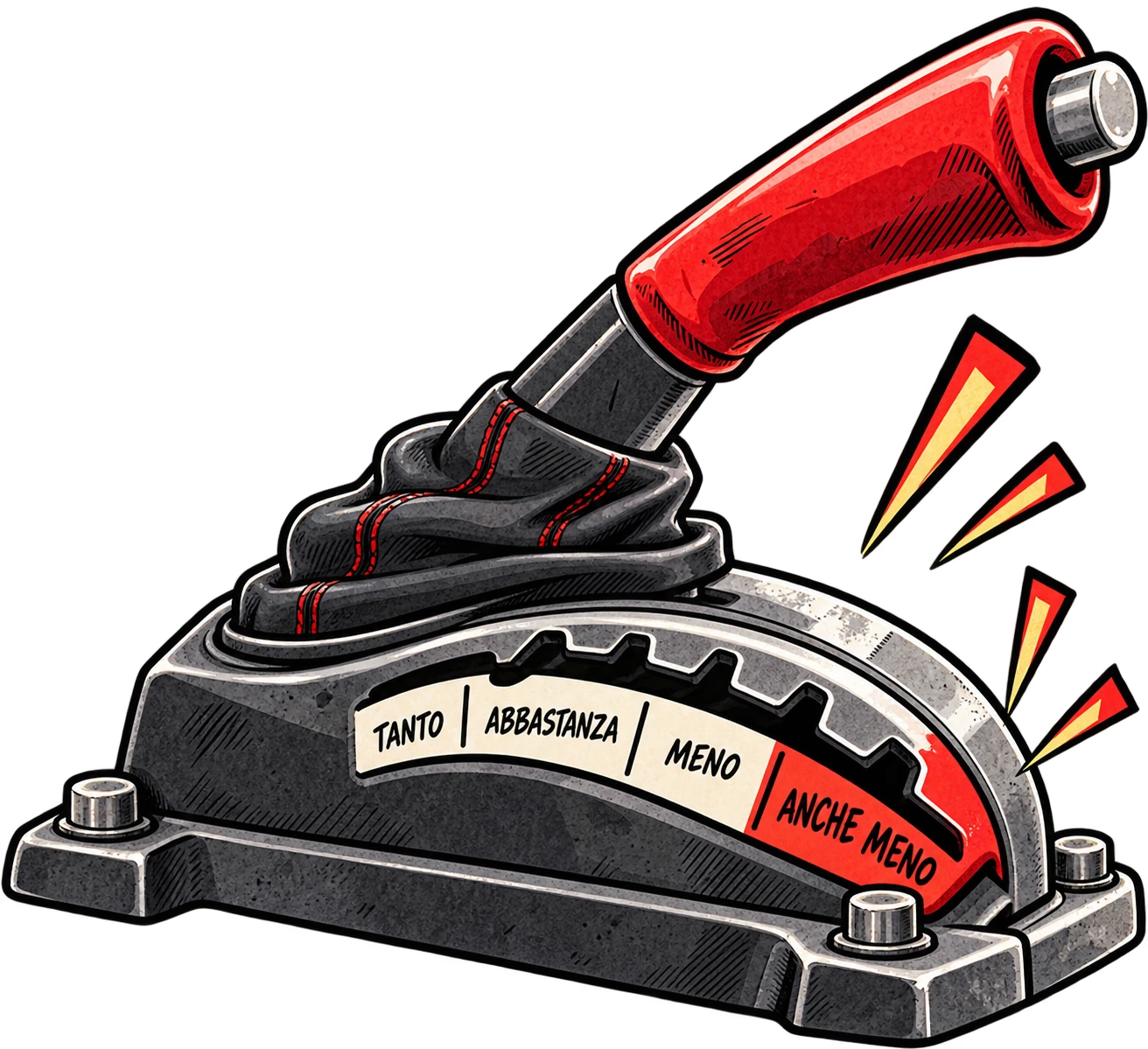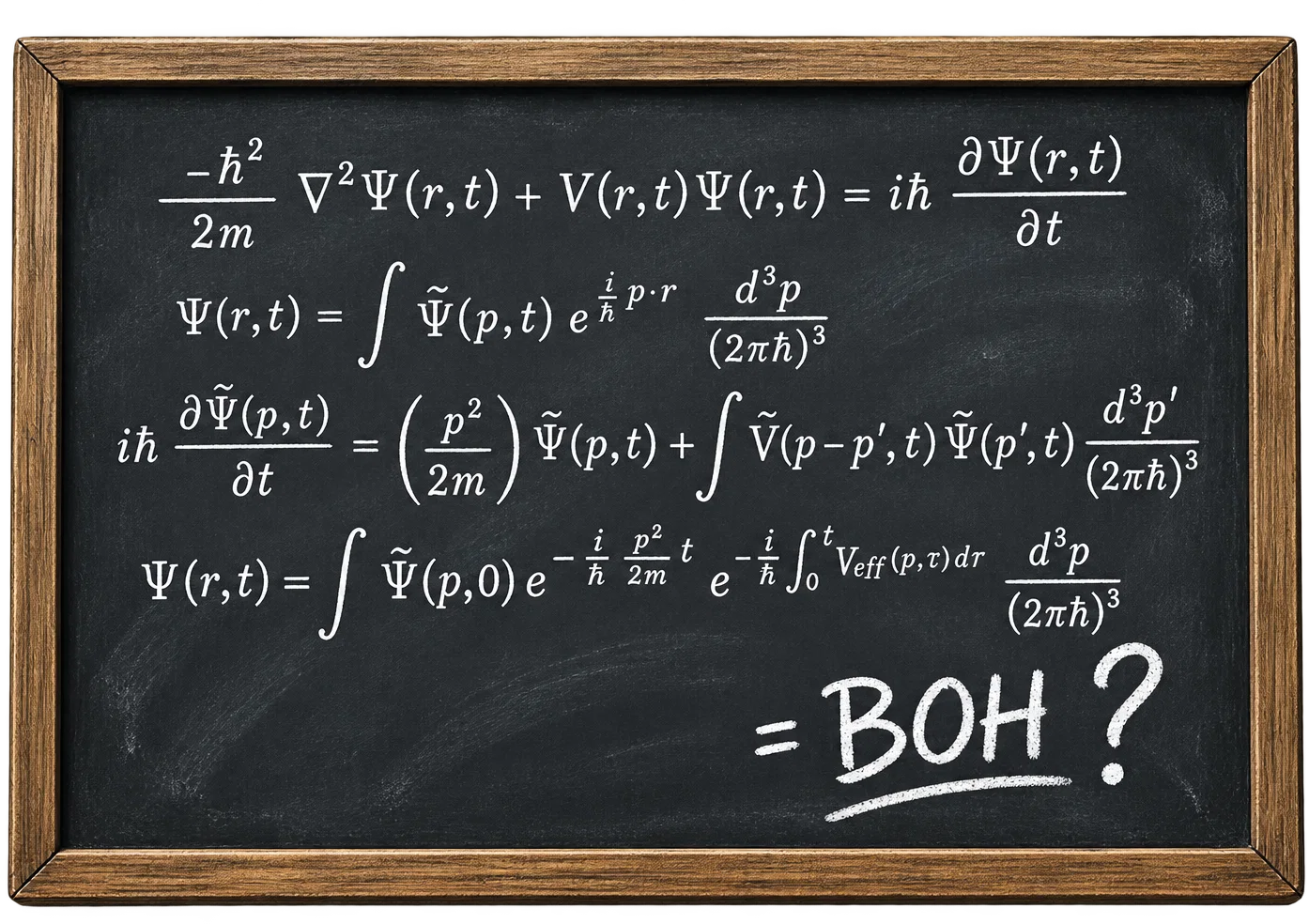
What it seems to be
An adverb.
What it really is
The key to understanding Italians.
Open a dictionary and you will find that allora is used to indicate a moment in time.
Italians completely agree.
Then, however, they go and do something else entirely.
For us, allora can mean almost anything.
It can start a conversation.
“Allora?”
It can end one.
“Allora, ci vediamo.”
It can prompt someone to make a decision.
“Allora, che facciamo?”
It can express impatience.
“Allora?”
It can pick up the thread after an interruption.
It can simply buy you time.
Or it can mean absolutely nothing at all.
And yet no Italian is confused by it.
Because the meaning is not in the word.
It is in the moment.
It is in the tone of voice.
It is in the look.
It is in the relationship between the people.
That is why anyone learning Italian soon discovers a curious truth: knowing the words is not enough.
You have to learn to read the context.
And that is exactly what this book is about.
The pages that follow do not merely explain how Italians speak.
They try to show how Italians communicate.
Because behind a caffè, a moka, a boh, a magari, a figurati, a ci arrangiamo or a te lo dico solo a te, there are more than just expressions.
There is a way of being in the world.
The key to understanding it
In Italy, words do not live on their own. They live inside a relationship. And if we had to choose just one word as the gateway into this world, it would be allora.
Every conversation has a moment when it begins.
In Italy, very often, that moment is simply called:
Allora.