What it seems
A compliment. Someone is praising your achievements. Surely you should smile and say thank you. Not so fast: in Italy, listen to the tone first.
What it really means
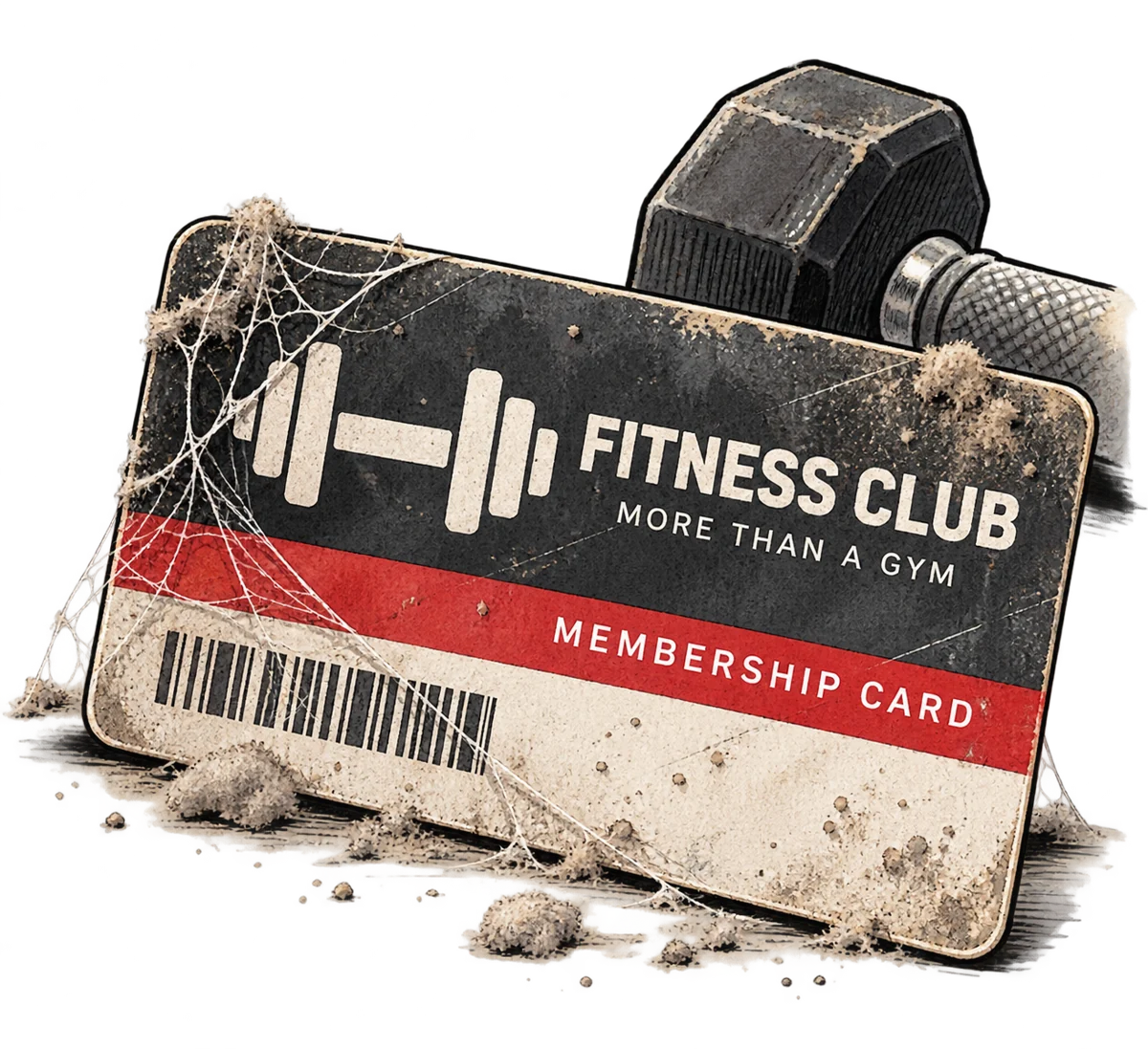
“Ma bravo!” often means “Well done, genius” after you have made a spectacular mess. “I locked my keys inside.” “Ma bravo!” Add “complimenti!” and the praise becomes even more poisonous. British readers may recognize the dry “Nice one”; Americans, the pointed “Great job.”
How it works
The difference lives in the voice. A bright “Bravo!” is genuine. A slow “Maaa bravo,” accompanied by raised eyebrows or three theatrical claps, is a public performance of disappointment. Thanking the speaker would be a tactical error.
The Italian paradox
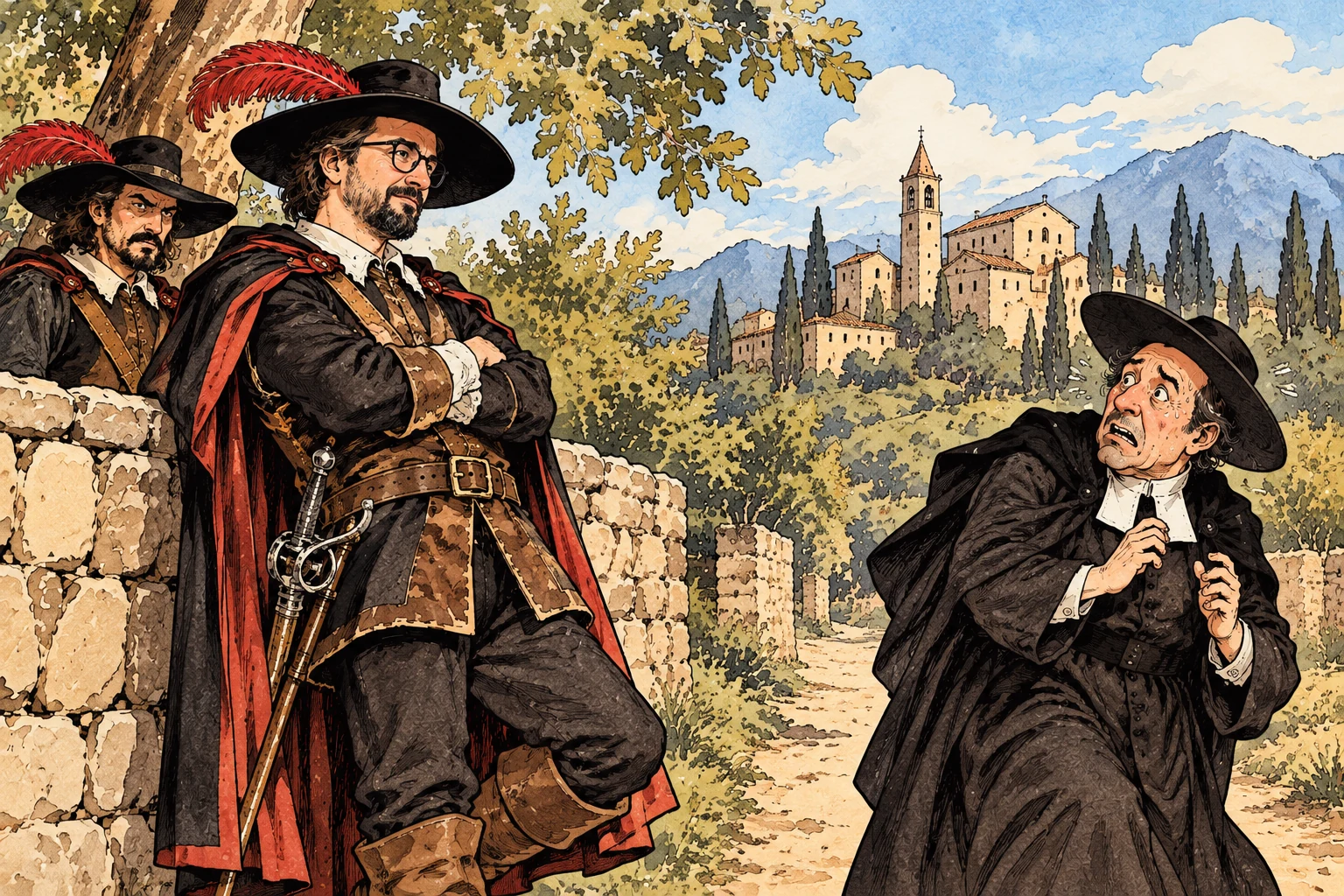
Here is the literary twist. In Alessandro Manzoni’s The Betrothed (I promessi sposi), the bravi are not good boys: they are hired thugs working for powerful men. Two intercept the timid priest Don Abbondio to stop Renzo and Lucia’s wedding: “This marriage is not to take place, tomorrow or ever.” The historical noun bravo means an armed henchman, not merely a sarcastic compliment. One Italian word, three very different career paths.
The key to understanding
Italian communication is a contact sport played with intonation. The literal words can praise while the expression condemns. The Manzoni connection is a delicious linguistic collision: excellence, incompetence and intimidation all meet under bravo. Neither a furious parent nor Don Rodrigo’s henchmen are handing out compliments.
Survival rule
If you hear “Bravo!”, thank them. If you hear “Ma bravo!”, review your mistakes. If you hear “Ma bravo, complimenti!”, seek shelter. If two armed men say it by a country wall, postpone the wedding.