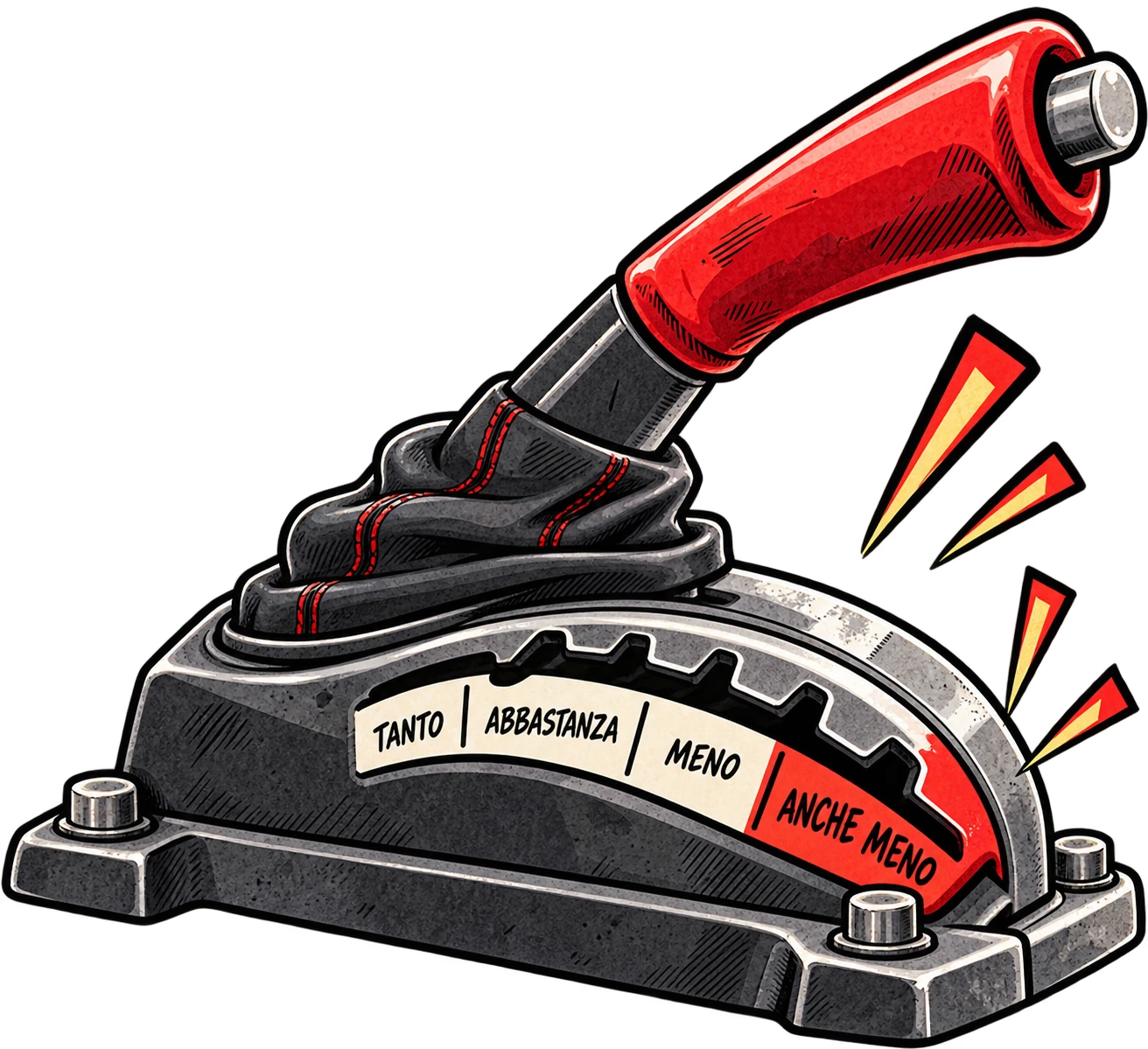
What it looks like
An invitation to stay calm.
A reassurance.
Don’t worry. Everything is under control.
What it means
It depends very much on who is saying it.
In theory, stai sereno is one of the most reassuring things you can say in Italian.
Got a problem? Stai sereno.
Worried something may go wrong? Stai sereno.
Suspect someone is about to screw you over? Stai sereno.
And that is precisely where, for an Italian, the problems begin.
A small accident in Italian history
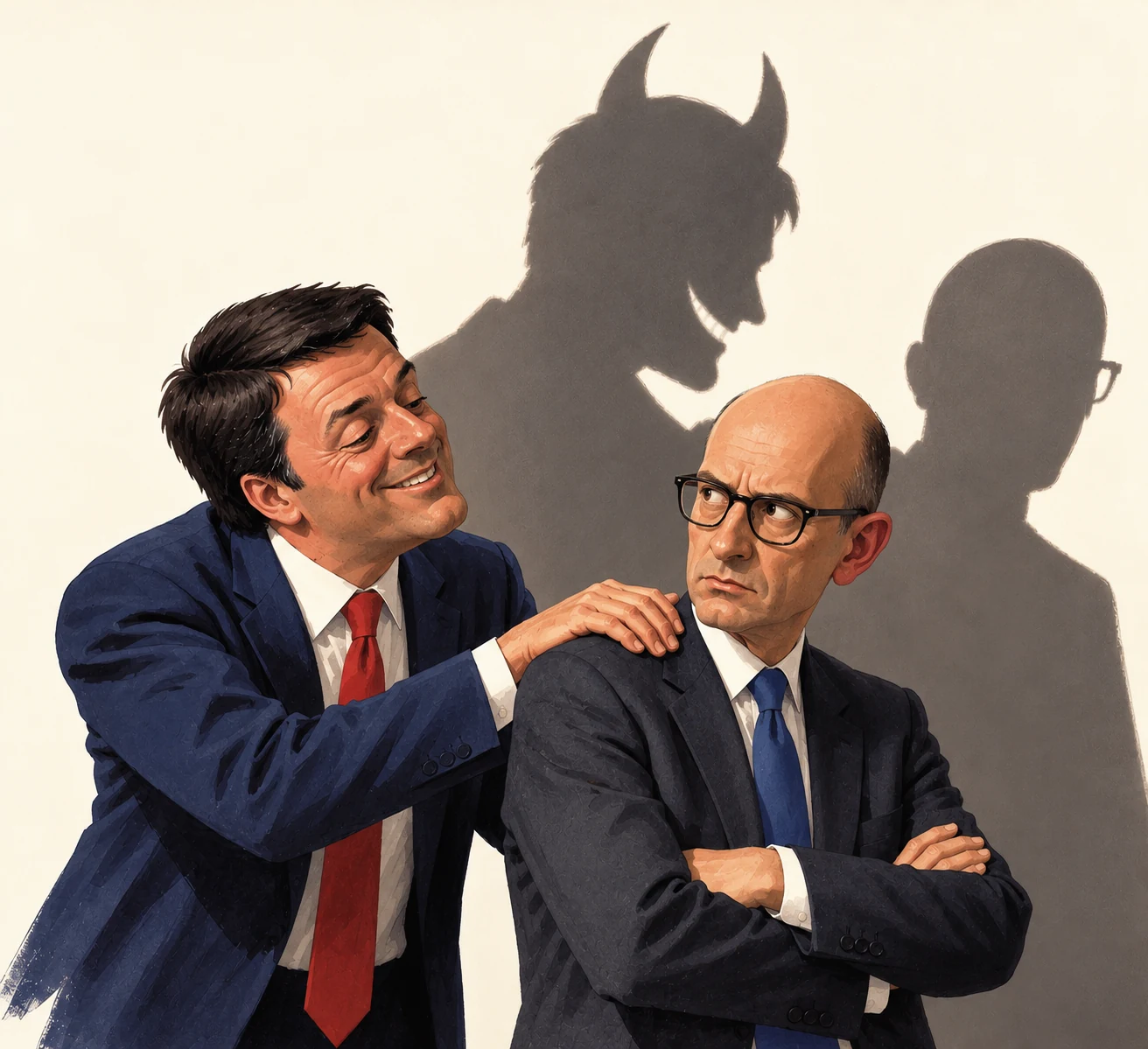
In January 2014 Matteo Renzi, recently elected secretary of the Democratic Party, publicly reassured Prime Minister Enrico Letta: “Enrico, stai sereno.”
The message seemed clear: nobody was coming for his job.
Less than a month later, Letta resigned. Matteo Renzi took his place.
From that moment on, stai sereno has never sounded entirely serene again.
How it works
Italians still use it in its original sense, of course. “Stai sereno, I’ll take care of it.” It can be perfectly sincere.
The problem begins when nobody asked to be reassured.
“Ciccio, stai sereno.”
There. Ciccio is no longer serene.
The phrase now carries a little collective memory: an overly explicit reassurance can have exactly the opposite effect.
The more someone insists that you have nothing to worry about, the more you start wondering what there is to worry about.
The key
In Italy, you should not listen only to what is being said. You should also ask why someone felt the need to say it.
“Tranquillo.”
Probably fine.
“Stai sereno.”
Keep your eyes open.
“Ciccio, stai sereno.”
Someone knows something.
“Ciccio, stai sereno. Trust me.”
Ciccio, update your CV.
Survival rule
If an Italian tells you “Stai sereno”, you can relax.
If they say it again… a little less.