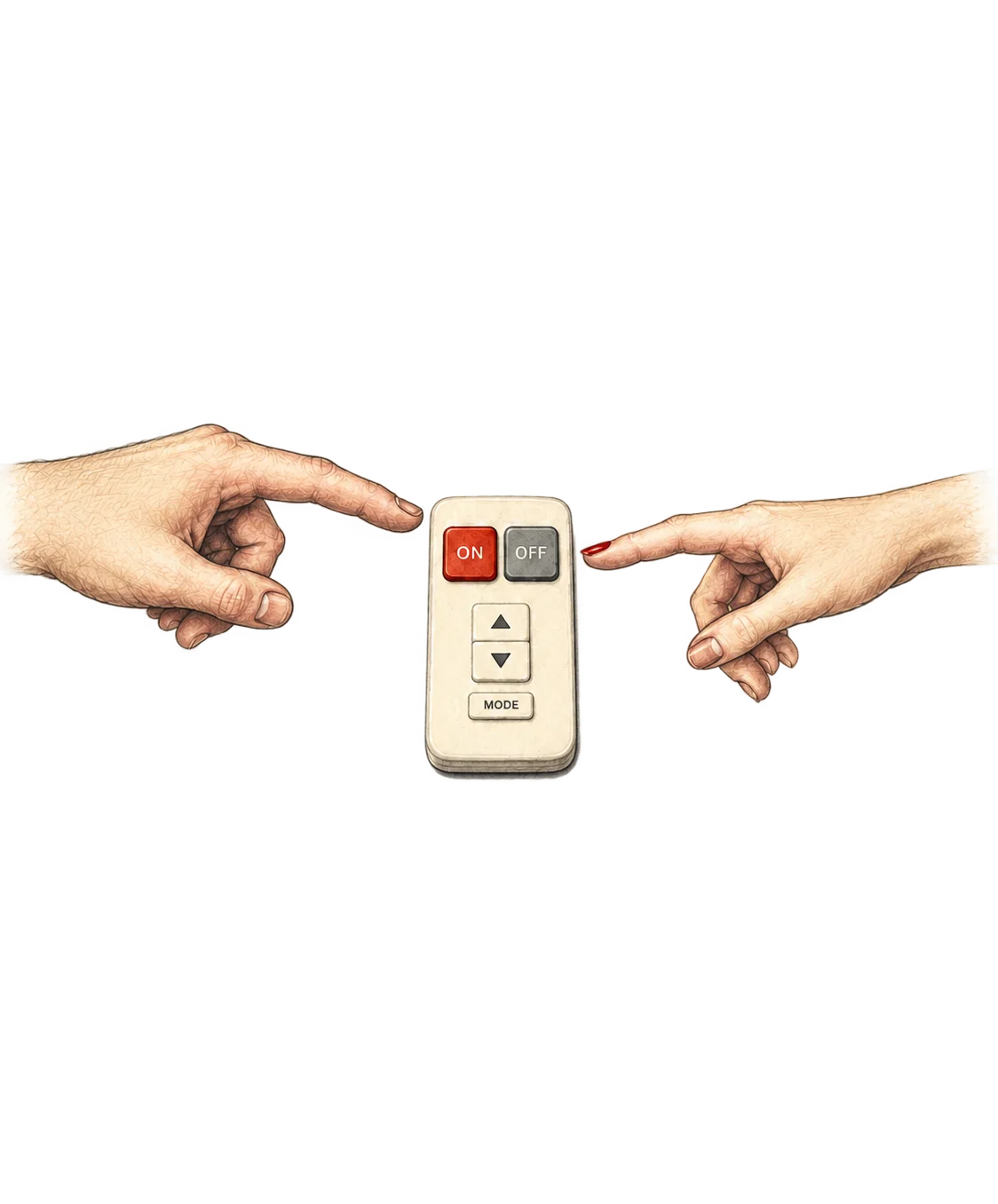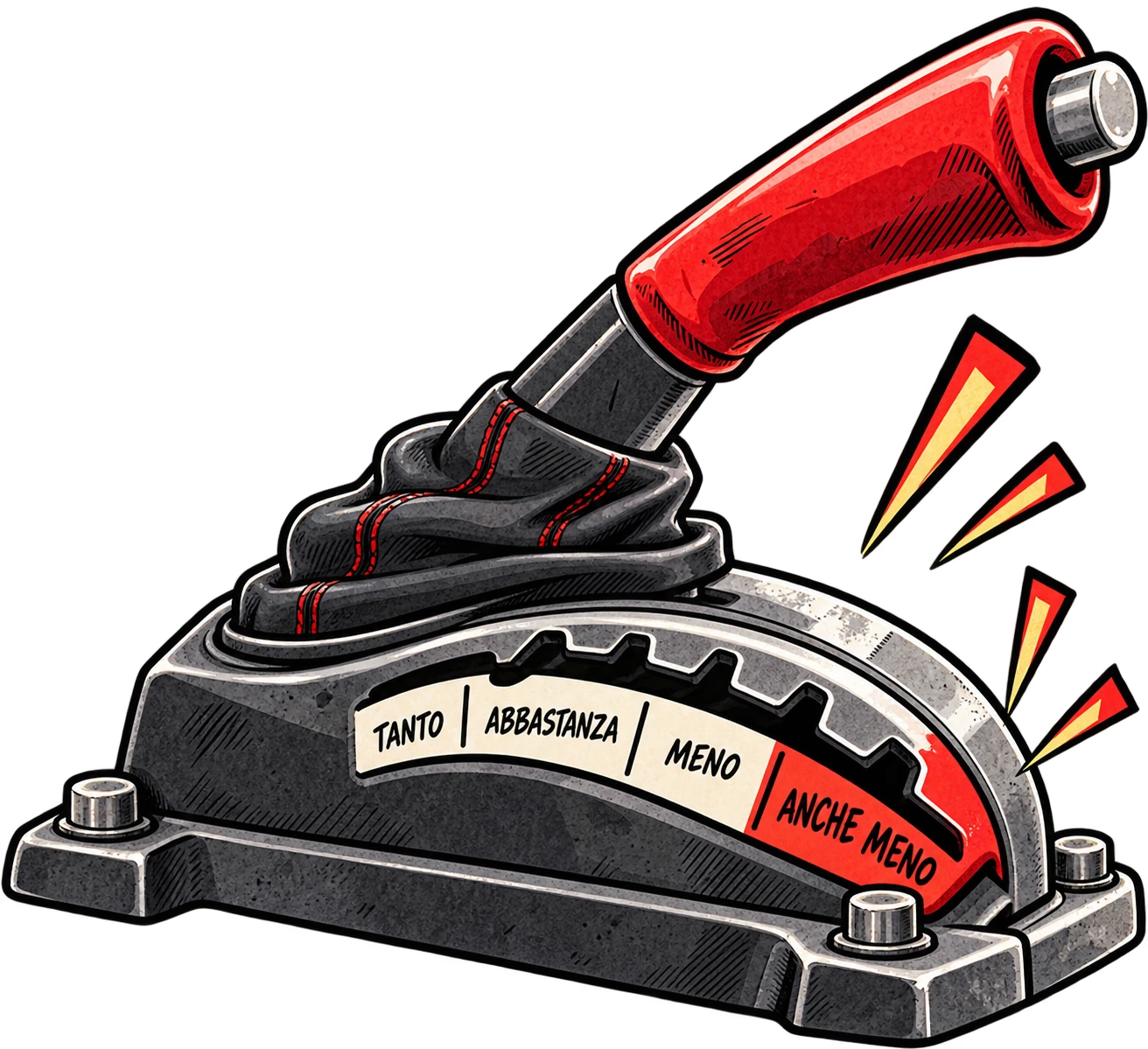
What it looks like
A slightly vulgar way of saying: “How embarrassing.”
Not quite. Embarrassment is spilling your drink at dinner. A proper figura di merda requires more: you must have contributed personally. You put yourself out there, spoke with confidence, and were absolutely certain you had the situation under control. Then reality arrives and sends the invoice.
What it really is
A figura di merda is the public collapse of dignity.
It is the exact moment when you understand three things at once: you screwed up; everyone noticed; and no sentence can take you thirty seconds back in time.
So you explain. Add context. Laugh. Say, “Wait, it’s not what it looks like.” Almost always making it worse. The cruel rule is simple: the harder you try to get out, the deeper you go.
The scene
You enthusiastically wave at someone across the street. They were waving at somebody behind you. You slowly lower your hand and pretend the movement meant something else. It did not.
You criticize someone in exquisite detail, then discover they are standing behind you.
You send a friend a screenshot to show how idiotic the other person is. Except you send it to the other person. Seen.
You tell a joke. Nobody laughs. You explain it. You are no longer merely the person who told a terrible joke. You are now giving a lecture about your terrible joke.
A figura di merda needs witnesses. One is enough. Two are better. A group chat is excellent. The internet is permanent.
Historical note
In 2003 Italian TV anchor Emilio Fede was presenting news of Saddam Hussein’s capture on TG4. He introduced images of the Iraqi dictator. The control room made a mistake: Silvio Berlusconi appeared instead.
Fede’s off-air reaction became legendary: “Che figura di merda!” The clip was later picked up by Striscia la notizia and became a catchphrase.
In 2020 Fede even used Che figura di merda as the title of his autobiography. An exquisitely Italian ending: do not erase the humiliation. Monetize it.
How to read it
The figura di merda is democratic. It hits the shy and the arrogant, the educated and the clueless, the loudmouth and the person who only wanted “to say one thing.”
Above all, it downsizes us. For a few seconds CVs, job titles, followers and cultivated confidence disappear. What remains is a human being who has just screwed up in front of other human beings.
Perhaps that is why we remember other people’s humiliations but do not merely remember our own. We relive them at 3:27 in the morning.