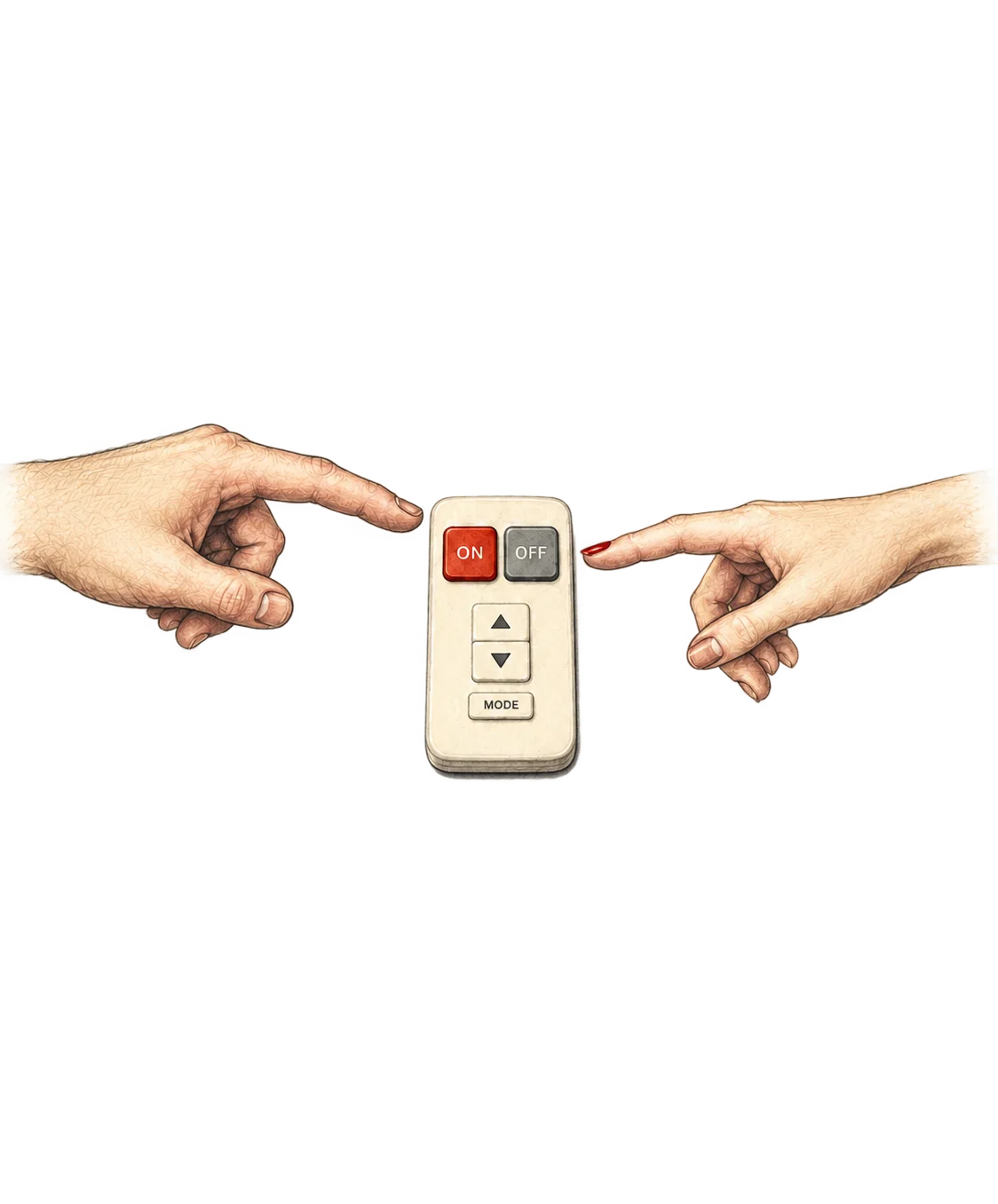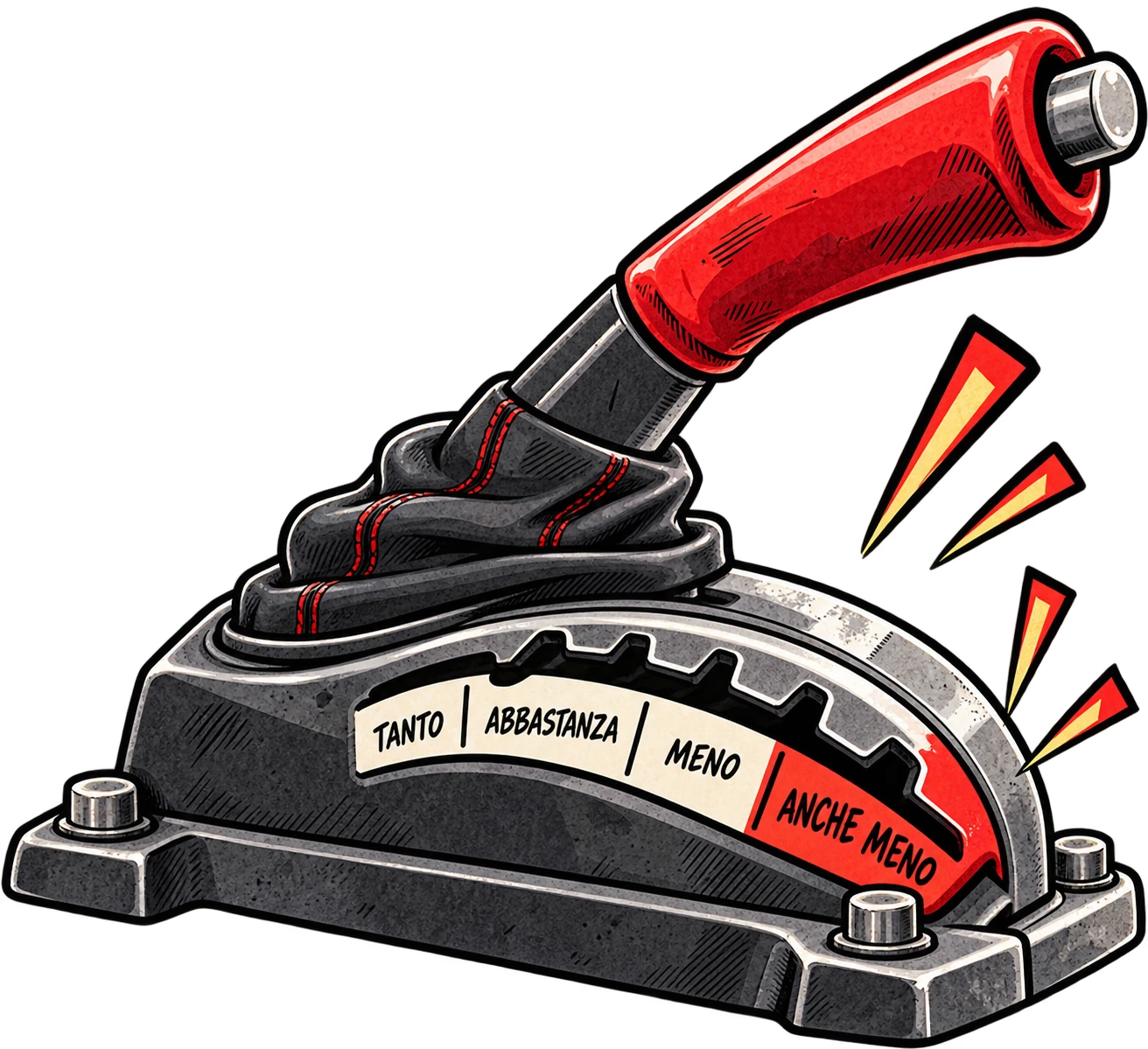
What it looks like
The formula Italians used for roughly a century to answer the phone. Someone called. You answered. You talked. A surprisingly efficient system, now regarded as borderline aggressive.
What it is
The last fossil of an age when a conversation required two people to be present at the same time. Then WhatsApp arrived. Calling without warning now feels roughly like turning up at someone’s house at 3 a.m. with a search warrant. “Why are you calling me?” To talk to you. Radical concept, apparently.
The scene
A message arrives: 🎤 6:48. You stare at it. It stares back. Play. “Hi… so… anyway… I’m sending a voice note because it’s quicker…” Six minutes and forty-two seconds then prove the opposite. Traffic. A door. “Hang on, I’m paying.” Three “basicallys”, five “I means”, and a detour about someone you have never met. At 5:17 the actual point appears: “Are you around tomorrow?” You reply: “Yes.”
How to read it
Voice notes were supposed to free us from phone calls. They achieved something more ambitious: freeing us from the other person. A call demands listening, reacting, taking turns and even surviving silence — those tiny skills once known as being social. A voice note is social life on demand: I speak when I want, you listen when you can, preferably at 2× speed. WhatsApp can now transcribe them too, so we can finally avoid both talking and listening at the same time. Progress. ❤️