What it seems
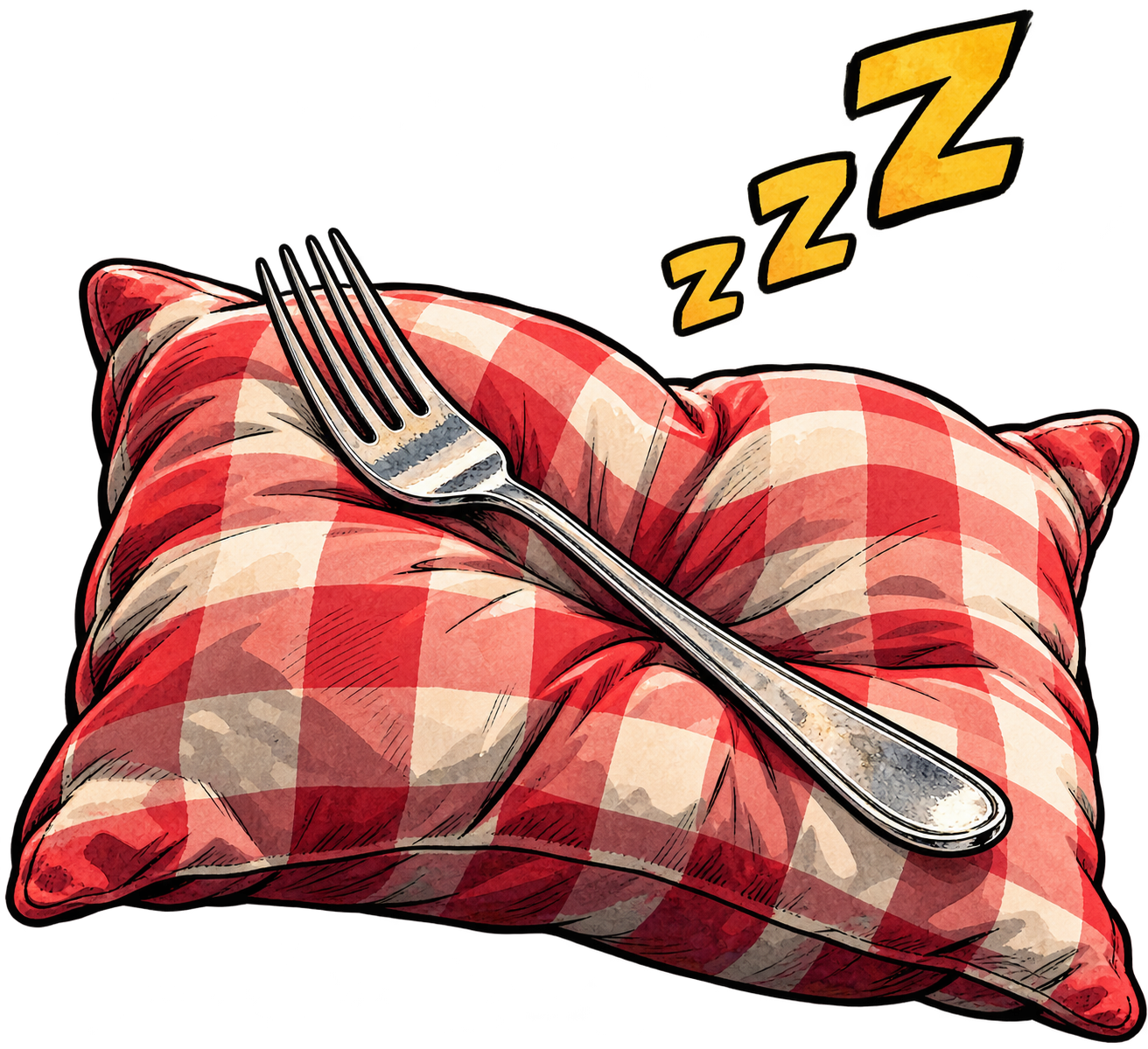
A perfectly sensible instruction: wake up early, work hard and seize your opportunities. Stay in bed and you will miss the fish. Apparently, there is no argument.
What it really is
Except for one small philosophical oversight: who said we wanted fish? You can buy fish at the market. You cannot buy back a good morning’s sleep. Besides, fish starts to smell.
The theology of a nap
Northern Europe’s Protestant work ethic made industriousness a moral virtue: work is noble, productivity is uplifting, and rest is suspicious. The Italian admires this from a seaside terrace. The Protestant works to deserve Heaven. The Italian, who imagines Heaven with a sea view, prefers to enjoy a preview. Why work your whole life to reach a place where you finally stop working?
The mathematics of disappointment
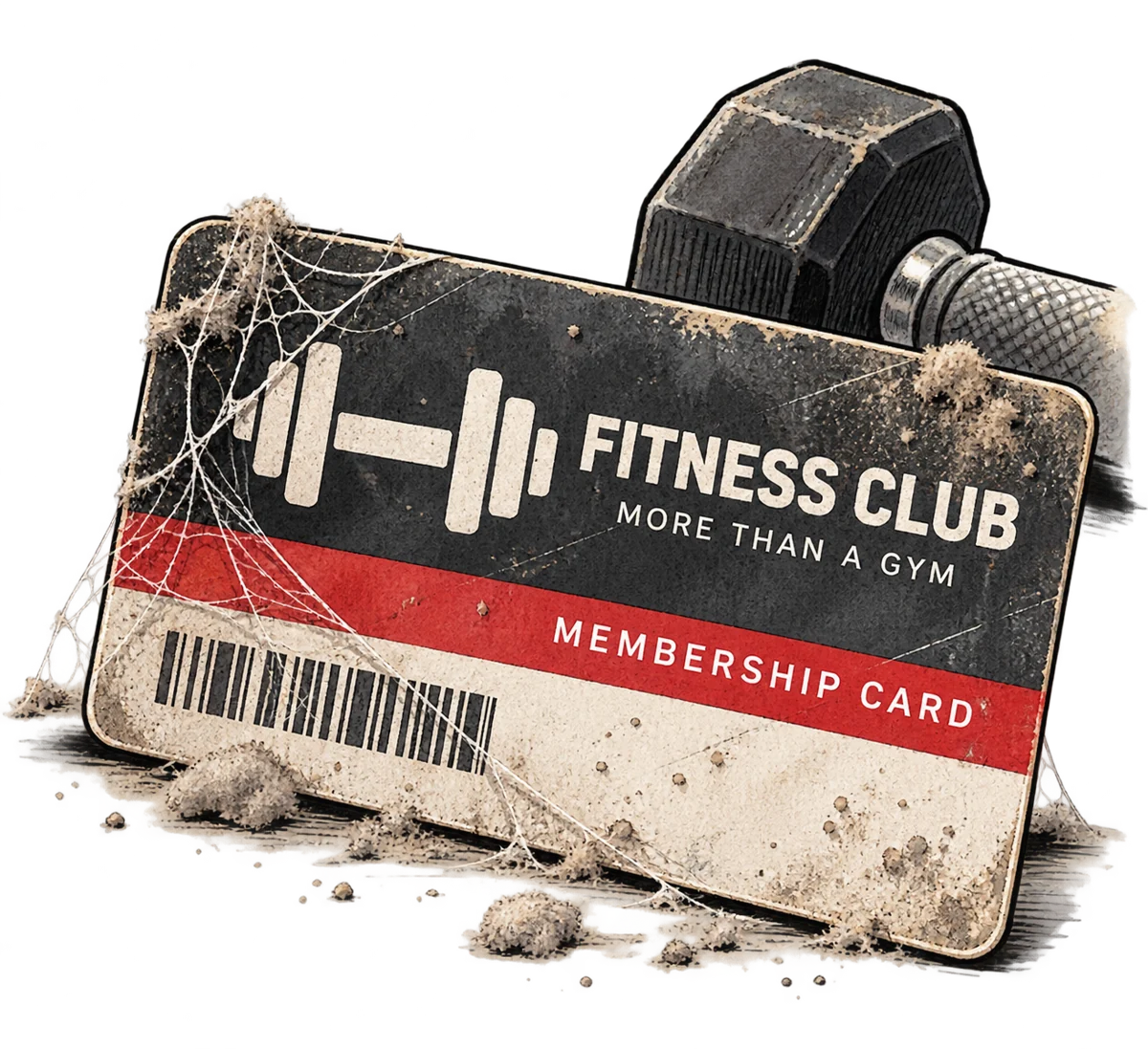
An Italian risk-management principle: the pain of losing often outweighs the joy of winning. Don’t enter the competition, and you can’t finish last. Set no targets and none can be missed. Chi si accontenta gode: those who are content enjoy life. Those who aren’t tend to register a business.
Northern Italy’s heresy
In parts of northern Italy, the factory has become a cathedral. Leaving the office at six looks like a moral failure; taking holidays like a minor sin. Italy managed to import Protestant work ethics without even giving up the Pope. People work their whole lives to finally rest, generally when a cardiologist orders it.
Idleness as a civic achievement
Italians are accused of being unproductive. But who measures the satisfaction of avoiding unnecessary work? An Italian can work twelve hours; they just want to know why. Why produce ten when six pays for lunch, a stroll, a view of the sea and a complaint about the government? GDP cannot measure the joy of doing absolutely bugger-all.
The key to understanding
“If you sleep, you catch no fish” treats every unproductive minute as a missed opportunity. Missed by whom? One person rises at five, prepares the rod, waits in the cold and cleans the catch. Another wakes at ten, orders fried seafood and a glass of white wine. One caught fish. The other lived. And fish smells after a while anyway. Contentment is its own reward. Dissatisfaction means invoicing. And invoices eventually mean taxes.